Website conversion is what happens when a visitor completes the action a page was built to support: buying, booking, subscribing, requesting information, downloading a resource, or moving to the next useful step.
Improving conversion does not begin by rewriting every headline. A weak result can come from broken machinery, the wrong traffic, unclear value, missing trust, unnecessary friction, unresolved objections, or a next step that is hard to understand.
Start with the machinery
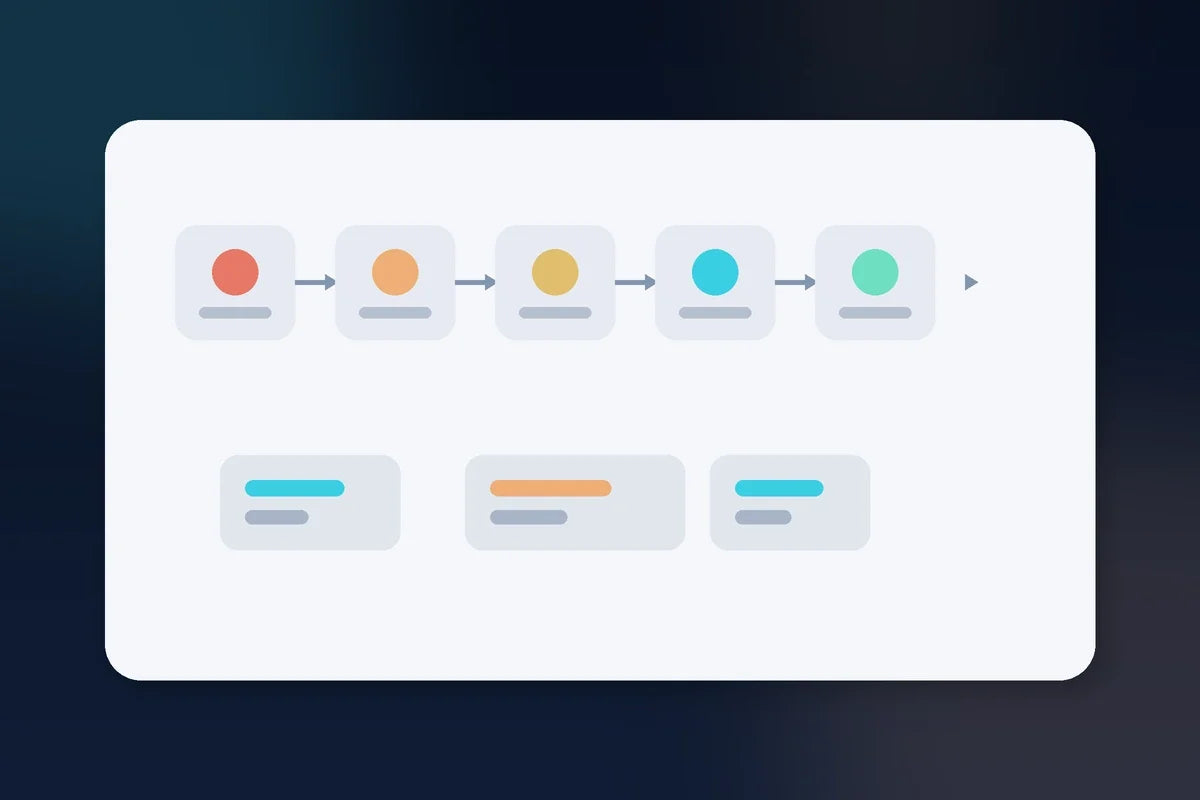
Before diagnosing persuasion, make sure the customer path actually works.
- Does the page load correctly on mobile?
- Do buttons and links work?
- Does the product or booking flow reach the correct destination?
- Does checkout work?
- Are prices, delivery details, and required steps visible?
- Are forms submitting?
If the path is broken, copy changes cannot repair the underlying failure.
For a complete diagnostic sequence, read Why Aren’t People Buying? What to Check Before You Rewrite Your Marketing.
1. Relevance
Ask whether the right visitor is reaching the right page. A beautifully written page can still underperform when the traffic source, search intent, advertisement, social post, or referral promise does not match what the page delivers.
2. Clarity
A visitor should be able to understand what the business offers, who it is for, why it may matter, and what to do next without solving a puzzle.
If the offer itself feels difficult to explain, use How to Make Your Offer Clearer.
3. Value
Features describe what something contains. Value explains why those features matter to the customer.
A page should connect the offer to a meaningful problem, goal, convenience, outcome, or decision—not merely list everything included.
4. Trust
Visitors need enough credible information to feel comfortable moving forward. Trust can come from transparent policies, accurate product previews, clear contact information, honest proof, professional presentation, secure checkout, specific explanations, and consistency between the promise and the page.
Build the trust layer with How to Build Trust on a Small-Business Website Without Fake Testimonials.
5. Friction
Every unnecessary choice, hidden detail, broken link, confusing field, surprise fee, slow page, or competing button can make the next step harder.
Use How to Reduce Website Friction Before You Rewrite Your Copy.
6. Objections
Customers may be wondering whether the offer fits them, whether it will work with their situation, what they receive, how delivery works, whether the price is justified, or what happens if they need help.
Good conversion pages answer important buying questions before uncertainty becomes abandonment.
Use How to Handle Customer Objections on a Sales Page Without Sounding Defensive.
7. Motivation
Even a clear, trustworthy page cannot create demand from nothing. The offer still needs to matter enough to the visitor now.
Use real reasons to act—usefulness, timing, genuine availability, a current problem, or a relevant benefit. Avoid fake countdowns, invented scarcity, and exaggerated guarantees.
8. Next step
Make the primary action obvious. A page with five competing priorities often makes all five weaker.
Use Website Calls to Action: How to Choose the Right Next Step.
Match the page to its job
A homepage, landing page, and product page are not interchangeable. Each has a different job and level of focus.
Use Homepage vs. Landing Page vs. Product Page to choose the right page type.
Build pages that answer the customer’s questions
For practical writing guidance, continue with How to Write a Small-Business Homepage That Makes Sense Quickly and How to Write a Product Page That Answers Buying Questions.
Use FAQs strategically
An FAQ section is most useful when it removes real uncertainty rather than padding the page with obvious questions.
Read How to Write FAQ Sections That Help Customers Buy With Confidence.
Test in the right order
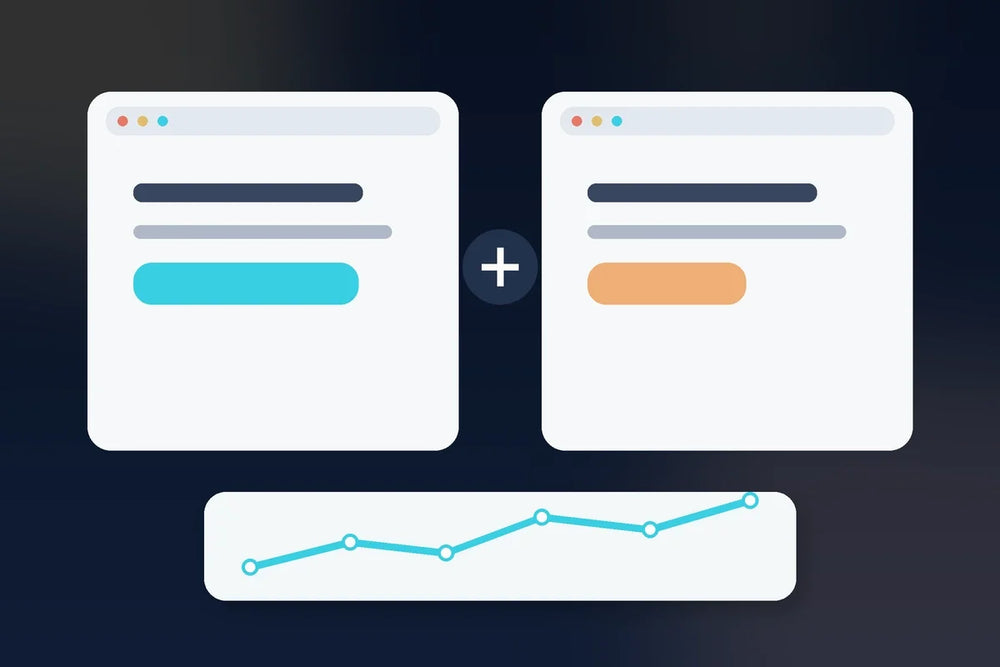
Do not change the headline, price, layout, CTA, offer, and checkout flow at the same time and then try to guess what worked. Fix obvious breakage first, identify the highest-leverage uncertainty, make one meaningful change when practical, and compare the result.
Use Conversion Rate Optimization for Small Business: What to Test First.
A simple conversion review
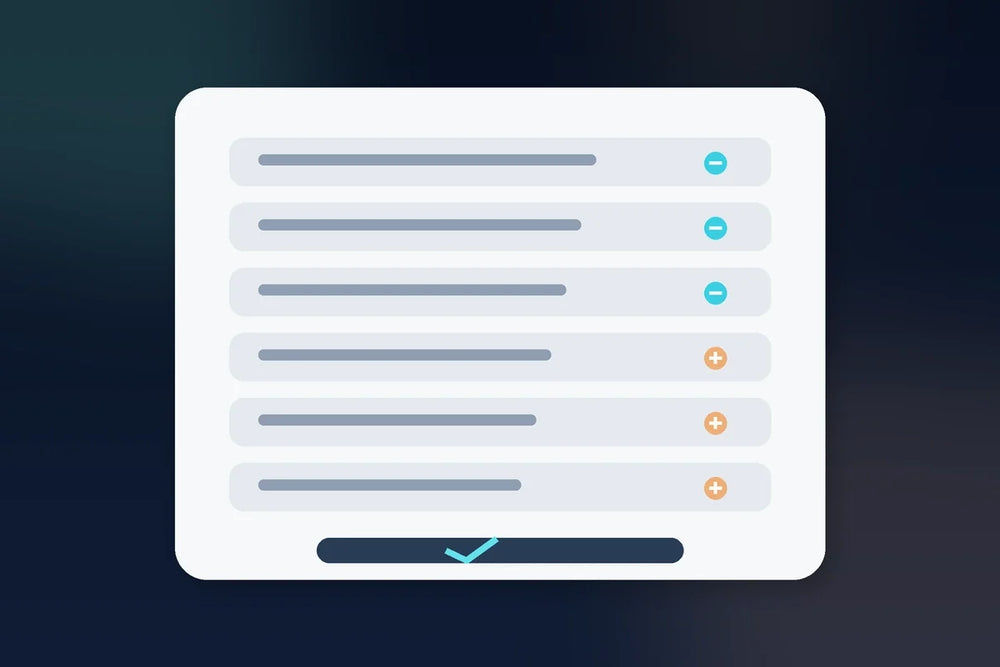
- Confirm the machinery works.
- Check traffic and page relevance.
- Make the offer understandable.
- Connect features to customer value.
- Add credible trust signals.
- Remove unnecessary friction.
- Answer real objections.
- Use honest motivation.
- Make the next step obvious.
- Measure before making the next change.
Conversion is not a magic sentence. It is the result of a customer path that works, makes sense, earns trust, reduces uncertainty, and gives the visitor a clear next step.