“Why aren’t people buying?” is one of the most important questions a business can ask.
It is also one of the easiest questions to answer too quickly.
The first instinct may be:
The copy is bad. The content stopped working. The algorithm changed. The price is wrong. I need a new offer.
Maybe.
But before you rebuild the marketing, check the machinery.
Start with technical reality
Before diagnosing psychology, verify that the path actually works.
- Does the product page load?
- Does the button work?
- Does the cart work?
- Does checkout work?
- Does the price display correctly?
- Does the customer receive what they are promised?
- Does the page work on mobile?
A broken customer path can look like a messaging problem from the analytics side.
Check relevance
Are the people reaching the offer actually the people the offer is for?
A page can be beautifully written and still fail if the traffic is poorly matched.
Look at the content and channels bringing people in. Are they attracting the same priority customer the offer was built to serve?
Check clarity
Can a visitor quickly answer:
- What is this?
- Who is it for?
- What problem does it help solve?
- What do I actually receive?
- What do I do next?
If the buyer has to work too hard to understand the offer, more persuasion may not solve the problem.
Check value
Does the page clearly connect the product to an outcome the customer cares about?
Feature lists matter, but buyers also need to understand why those features are useful.
Do not simply say “13 modules.” Explain what changes because those parts work together.
Check trust
Trust can come from many places:
- clear explanations
- real examples
- transparent policies
- professional presentation
- accurate claims
- visible contact information
- credible process
If you do not have testimonials yet, do not invent them. Show what is real.
Check friction
Every unnecessary step creates a place for the customer to leave.
Look for:
- confusing navigation
- too many calls to action
- unclear buttons
- surprise costs
- required information that does not seem necessary
- slow pages
- poor mobile layout
Sometimes conversion improves because the path becomes simpler—not because the copy becomes louder.
Check objections
What might a careful buyer reasonably wonder before purchasing?
Examples include:
- Is this another course?
- Do I need special software?
- Is this physical or digital?
- How is it delivered?
- Do I need to finish everything before it helps me?
- What if I already have business information?
- Does AI make the decisions for me?
Good FAQ content can remove uncertainty without turning the page into a wall of sales pressure.
Check motivation and timing
A relevant visitor can understand and trust the offer and still decide “not now.”
That does not automatically mean the offer failed.
The customer may need more education, another touchpoint, or a different moment.
This is why follow-up, email, useful content, and search visibility matter.
Check the next step
Can the customer tell what to do next?
Do not make someone hunt for the purchase button after they have decided.
A clear next step is part of conversion design.
Do not diagnose from one number
A lower conversion rate, slower sales week, or weak post is an observation.
It is not a complete diagnosis.
Use:
OBSERVATION → POSSIBLE EXPLANATION → TEST → LEARNING.
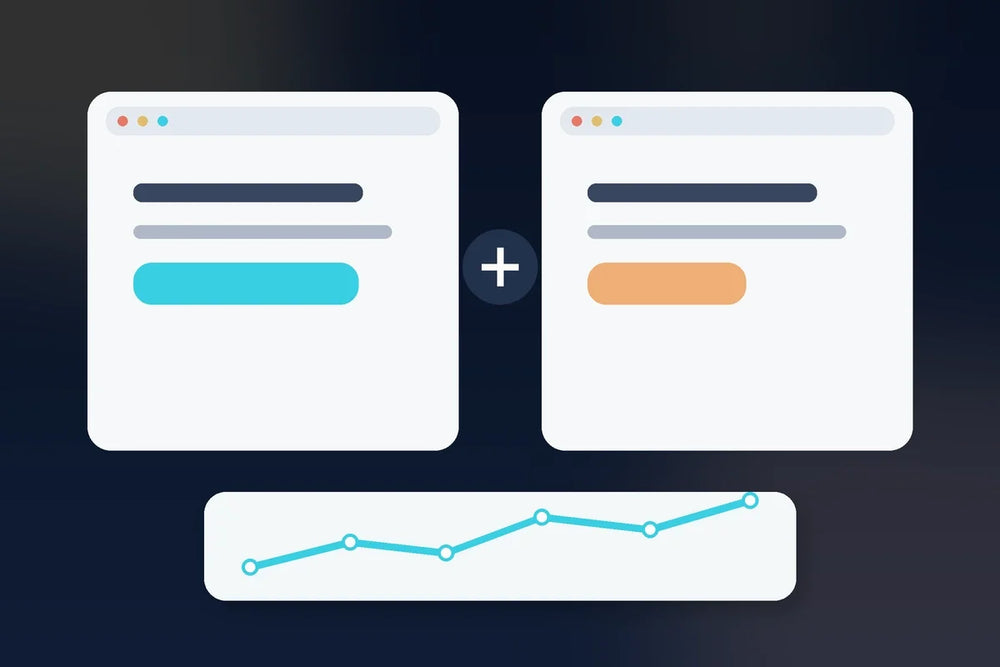
Test one meaningful change when possible. Then see what happened.
Check the machinery before rewriting the marketing
This principle saves businesses from expensive overreaction.
Before changing the brand, price, product, funnel, content strategy, and website at the same time, identify where the path is actually breaking.
Then make the smallest useful change that can teach you something.
A conversion review is a sequence
Use this order:
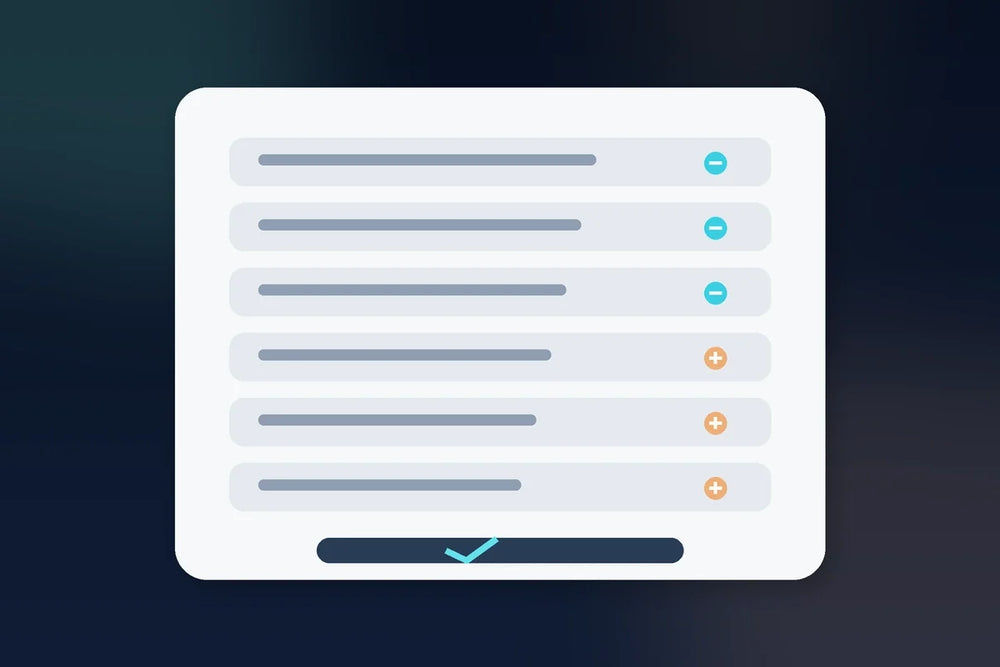
TECHNICAL → RELEVANCE → CLARITY → VALUE → TRUST → FRICTION → OBJECTIONS → MOTIVATION → NEXT STEP.
You may find the problem early in the sequence.
If you do, fix that before rewriting everything downstream.
For more on why content alone is not the entire system, read Your Content Isn’t Your Marketing Strategy.
For the complete website-conversion sequence, continue with Website Conversion for Small Business: A Beginner’s Guide.
For a connected diagnostic and implementation framework, explore The Plug-In Marketing Suite™.