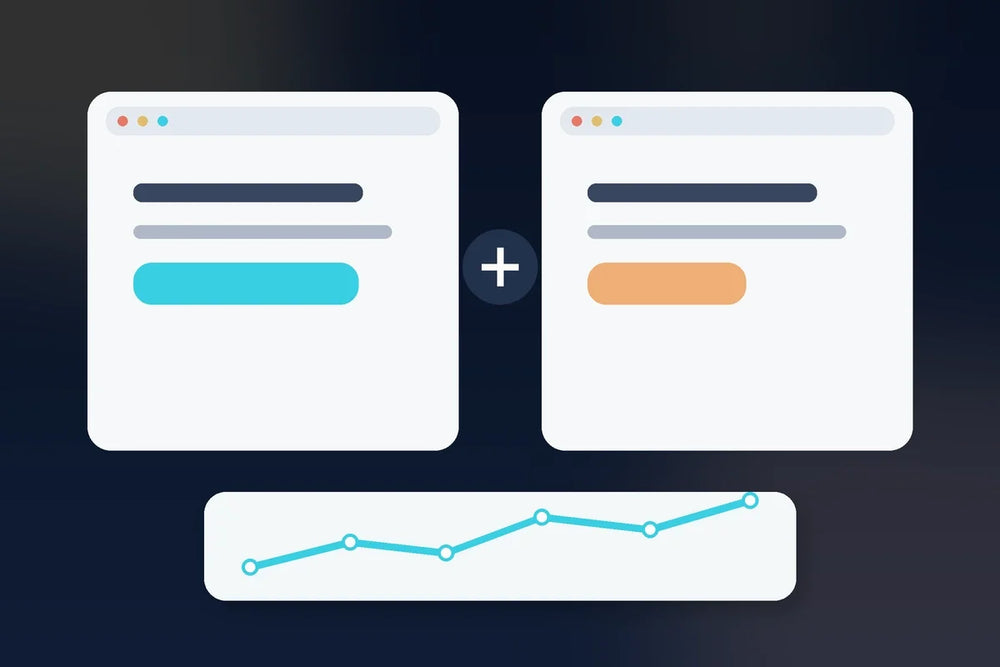
You can build a real marketing engine before you can afford paid advertising.
That does not mean “post everywhere and hope.” It means choosing channels that can keep working after the day you publish and connecting them into a simple path.
Start with one owned traffic engine
If your budget is tight, prioritize assets you can keep improving: your website, blog, email list, product pages, and evergreen resources.
Social media can help people discover you, but an owned content library gives those people somewhere useful to go next.
A simple path can look like:
SEARCH OR SOCIAL → USEFUL ARTICLE → RELATED RESOURCE → EMAIL OR NEXT ARTICLE → RELEVANT OFFER.
Build around questions people already have
Do not begin with “What should I post?” Begin with “What is my customer trying to figure out?”
Write down the questions you hear in comments, messages, conversations, reviews, and communities. Then turn the strongest questions into useful pages.
If you need a framework, read How to Build an SEO Content Strategy for a Small Business Using Real Customer Questions.
Create topic clusters instead of random posts
One article may earn one visit. A connected library can help a reader keep learning.
For example, a small-business marketing cluster might connect articles about:
- building a marketing system
- choosing a marketing priority
- creating content with a purpose
- email marketing
- SEO
- conversion
- analytics
Internal links make the library easier to navigate and help each article support the others.
Repurpose the article after you publish it
A useful article can become several smaller assets:
- a short social post
- a carousel
- a short video script
- an email
- a checklist
- a question post
- a FAQ answer
Do not copy and paste the same caption everywhere. Keep the core idea and adapt the format and next step. See How to Repurpose Content Without Copying and Pasting the Same Post Everywhere.
Use your product page as part of the marketing system
Your website should not make the reader guess what happens next.
After someone learns from you, the next relevant action might be another article, a free resource, an email signup, or a product page.
The goal is not to force every visitor into a sale. The goal is to give every useful page a sensible next step.
Build an email capture you can actually support
If you can consistently send useful email, give readers a reason to stay connected.
Keep the promise simple. If someone signs up for useful small-business marketing guidance, send useful small-business marketing guidance.
For the system behind that, read How to Build a Simple Email Marketing System for a Small Business.
Track what is working without obsessing over every number
Watch the signals that match your goal:
- search impressions and clicks
- article visits
- internal-link clicks
- email signups
- product-page visits
- questions or replies
Then use those observations to decide what to expand, update, link, or create next.
A no-ad-budget weekly marketing rhythm
- Publish one useful search-focused article.
- Link it to two or three relevant existing pages.
- Turn it into several social assets.
- Send one useful email or save the idea for your next sequence.
- Review what people clicked, searched, or asked.
- Use that information to choose the next article.
What you are building
You are not trying to “go viral every day.” You are building a body of useful work that gives people more ways to discover you over time.
Paid advertising can amplify a working system later. It does not have to be the system you start with.
When money is limited, connection and consistency have to do more of the work.