Some creators procrastinate by doing nothing.
Others procrastinate by doing absolutely everything.
One more font. One more graphic. One more template. One more rewrite. One more round of research. One more change before you publish.
You are not always avoiding the work.
Sometimes you are avoiding finishing the work.
Indecision has a cost
Indecision is a time killer. A motivation killer. A budget killer. And eventually, insecurity moves in.
When you cannot escape that cycle, you can kill your own brand before it ever gets the chance to show you what it could become.
The procrastination nobody recognizes
There are two kinds of procrastination.
The first is obvious: you do not work.
The second is harder to recognize because it looks productive. You design. Research. Compare. Rebuild. Plan. Edit. Perfect. Change the colors. Change them back. Open another template. Rewrite the headline.
You stay busy enough to feel responsible while never reaching the one action that can teach you anything real:
PUBLISH.
Publishing changes the question
Before publishing, the question is usually: Do I think this is perfect?
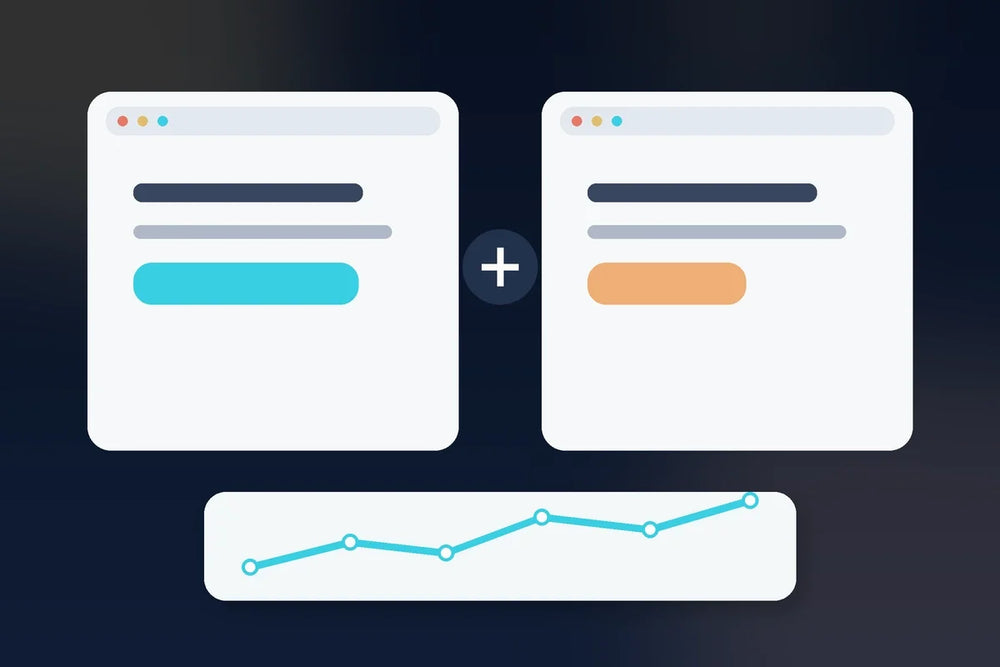
After publishing, the question becomes: How did real people respond?
That is where useful business learning begins.
You cannot learn from a draft sitting on your phone. You cannot measure a design that never leaves Canva. You cannot improve a message nobody has ever seen.
Your creativity does not need fewer ideas
It needs boundaries strong enough to turn ideas into finished work.
The answer is not to care less. The answer is to make the important decisions once.
Your brand voice should not be reinvented every time you write a caption. Your colors should not become a fresh debate every time you open Canva. Your customer should not change because you saw another creator doing something interesting. Your visual hierarchy should not depend on which template happens to catch your eye that day.
Strategy before decoration
Before you design anything, decide what the piece is supposed to accomplish.
Then ask one question about every element:
What job does this perform?
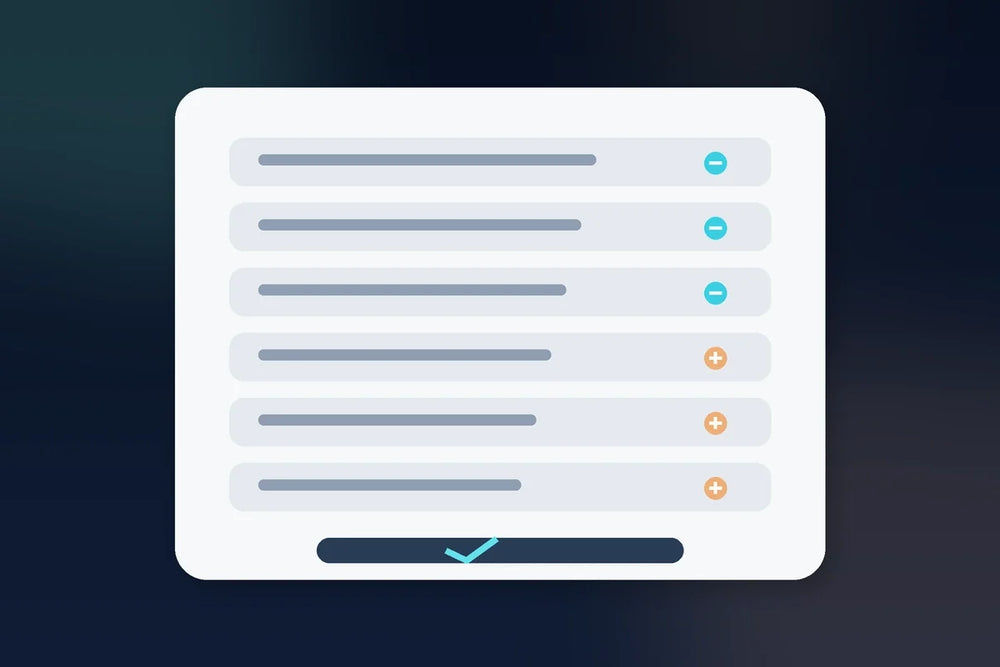
If the font, graphic, animation, paragraph, button, or decorative element does not help the piece accomplish its job, it probably does not need to be there.
This is how design starts becoming faster. The strategy happens first. The creative tool becomes the place where already-made decisions become visual.
A better finish line
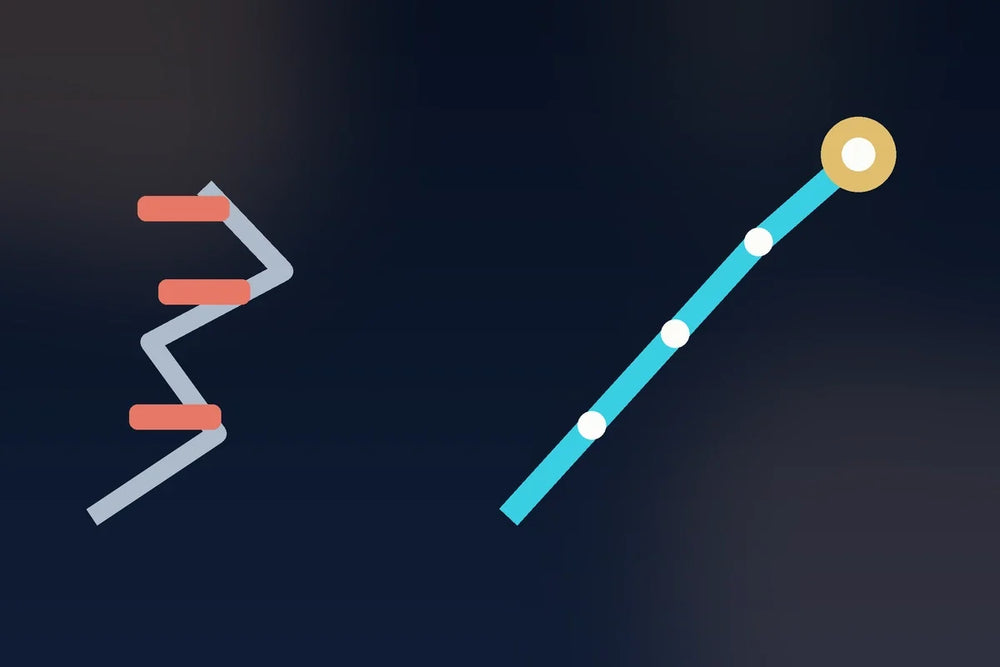
Perfection asks: What else can I change?
Excellence asks: What still needs to change?
Those are not the same question.
A useful finish line is simple:
- Does it work?
- Is it accurate?
- Does it serve its purpose?
- Is it ready for a real person to experience?
If the answer is yes, more editing is not automatically improvement.
The system is the way out
The fastest creators are not always the most talented. Often, they have made more decisions in advance.
They know their customer. Their message. Their visual standards. Their current objective. Their offer. Their next action.
That is the difference between opening a creative tool and asking, What should I make? and opening it to execute something that has already been decided.
Use a simple rhythm:
PURPOSE → STANDARD → CREATE → QA → STOP.
Decide what the piece needs to accomplish. Give it what it needs to accomplish that job. Check your work. Fix what matters. Then stop.
Do not kill the brand in the draft stage
Your brand needs real-world feedback more than it needs another hour of private tweaking.
Publish the useful post. Send the email. Launch the page. Put the offer in front of people. Then measure what happened and improve from evidence instead of fear.
Your brand cannot grow inside your drafts folder.