A digital product needs more than a checkout button.
People need enough context to understand the problem, the product, the value, the delivery, and what happens after they buy.
That is why useful content can become one of the strongest parts of a digital-product marketing strategy.
Start with the problem the product solves
Do not build the entire strategy around the product name.
Build around the questions, frustrations, and decisions that exist before the customer knows your product is an option.
If you sell a marketing system, the customer may search for “how to create a marketing plan,” “what should I post for my business,” or “how to use AI for marketing.” Those topics create relevant discovery.
Build a content bridge to the product
Helpful content earns attention because it answers a real question.
Then give the reader a natural next step.
A simple bridge can be:
SEARCH QUESTION → USEFUL ANSWER → RELATED RESOURCE → PRODUCT EDUCATION → PURCHASE.
Teach the problem before you pitch the solution
If the customer does not understand why disconnected marketing creates friction, a connected marketing system may feel unnecessary.
Educational content can make the problem visible without manufacturing fear.
For example, Why Your Marketing Feels Random explains the problem before the reader ever reaches a product page.
Show the inside of a digital product
Digital products can feel abstract.
Use screenshots, sample pages, walkthroughs, demonstrations, interface previews, module descriptions, and clear delivery information.
Make sure mockups are presented as mockups. Do not imply physical delivery when the product is digital.
Create product-supporting article types
Useful article categories include:
- beginner guides
- problem-solving articles
- checklists
- mistake-prevention articles
- workflow guides
- comparison frameworks
- implementation plans
- FAQs
Each one helps answer a different buying question.
Use social to distribute, not replace, the library
Turn strong blog ideas into social content that points people toward deeper resources.
This gives social posts somewhere useful to send the reader instead of making every platform the final destination.
Build an email follow-up path
If someone wants more from you, email can continue the relationship.
A welcome sequence can deliver useful guidance, point to your best resources, answer common questions, and introduce a relevant product without turning every message into a sales blast.
See How to Write a Small-Business Welcome Email Sequence.
Make the product page answer the obvious questions
The page should make it easy to understand:
- what the product is
- who it is for
- what problem it addresses
- what is included
- how to use it
- how it is delivered
- what it costs
- what the customer should do next
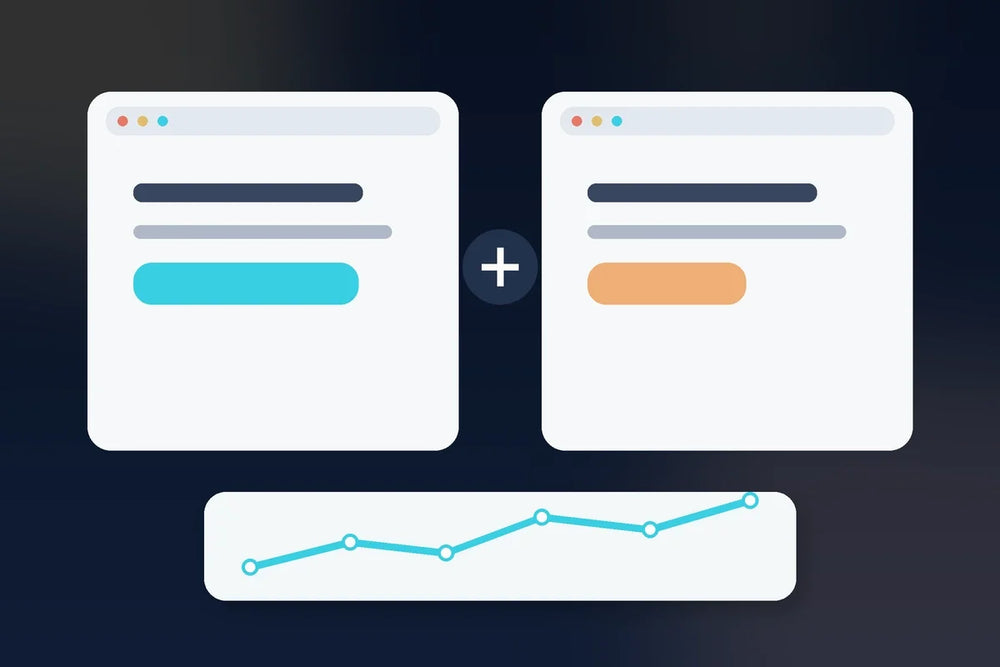
Measure the whole path
If people read the articles but never reach the product page, the bridge may be weak. If they reach the product page but do not buy, the problem may be offer clarity, trust, friction, or relevance.
Do not assume the symptom tells you the cause.
Use Why Aren’t People Buying? to investigate the path before rewriting everything.
The goal is not constant promotion
The goal is a connected library that teaches, helps, and naturally leads interested people toward the product when it is relevant.
Useful content creates the road. The product page does not have to build the road by itself.