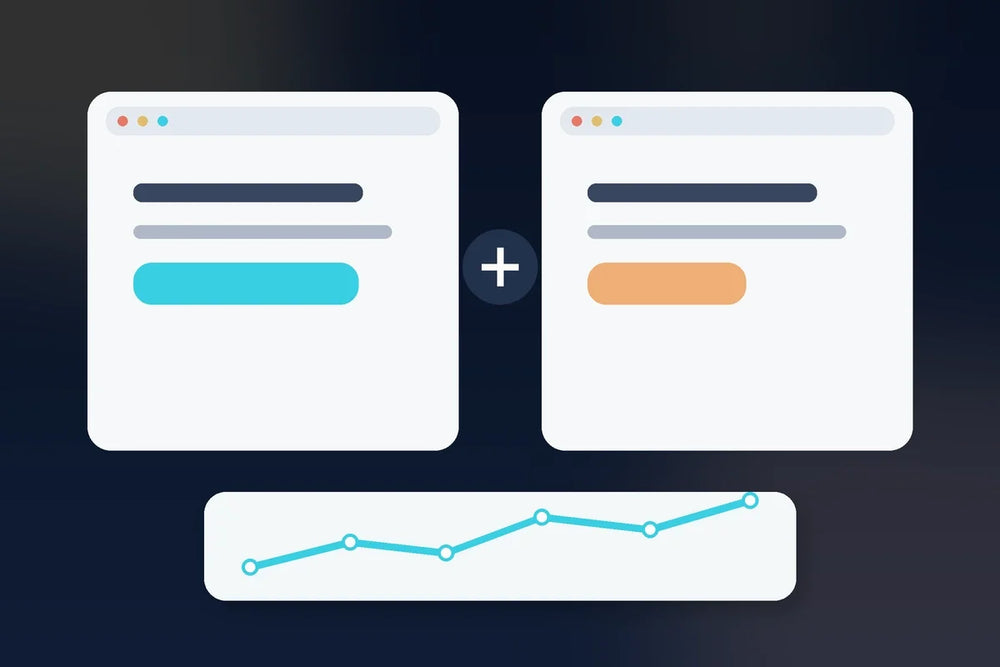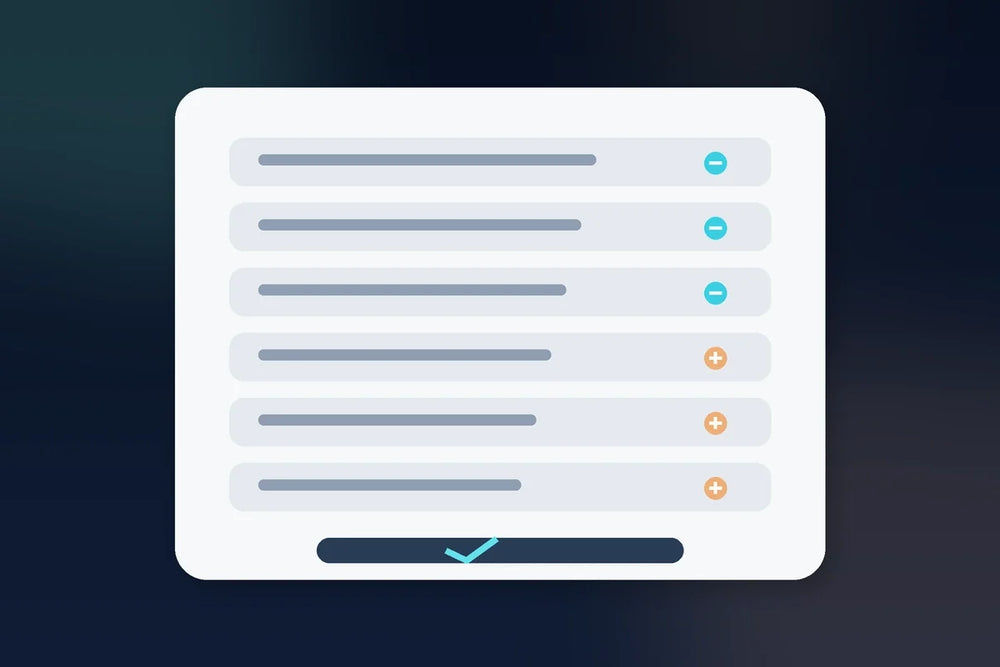
Your next useful SEO move may already be sitting in your blog archive.
Not every content improvement requires a new article. Older posts can often become more useful through better structure, updated information, stronger internal links, clearer examples, and a better match to the reader’s question.
The goal is not to change pages randomly. It is to improve them with a reason.
Start with pages that already matter
Do not begin by rewriting every old post.
Prioritize articles that:
- cover an important customer question,
- support a core business topic,
- have outdated information,
- receive attention but do not lead anywhere useful,
- are weaker than newer articles on the same subject,
- could become a hub for a larger topic cluster.
That keeps the update process connected to the business instead of becoming another endless cleanup project.
Read the article like a first-time visitor
Before changing anything, ask:
- Is the main question answered quickly?
- Does the article still match the title?
- Are there sections that repeat each other?
- Is anything confusing or outdated?
- Does the reader know what to do next?
This gives you a reason for each edit.
Check whether the search intent changed—or your article missed it
An old post may be well written and still be poorly matched to the query.
For example, if the title promises a checklist but the article reads like a broad essay, the format may be wrong for the reader’s need.
Use What Is Search Intent? to review the page’s job before rewriting it.
Strengthen the opening
Many old articles spend too much time introducing the topic before answering the question.
Move the useful answer closer to the top. Tell the reader what the article will help them understand or do. Then add the deeper explanation.
A clearer opening improves usability without requiring a full rewrite.
Remove filler and duplicate sections
Content can become bloated over time, especially when new sections are added without removing older ones.
Look for:
- two headings making the same point,
- repeated definitions,
- long introductions,
- examples that no longer help,
- generic advice that could apply to any topic.
Updating is not only about adding. Sometimes the best improvement is subtraction.
Add newer internal links
Older posts were written before your newer articles existed. That means they often become isolated from the growing library.
When you update a page, ask:
- Which newer articles help explain this topic?
- Which important older articles should this page point to?
- Which pages should now link back to this updated article?
Use the internal linking guide to build those paths intentionally.
Improve examples instead of adding abstract advice
If a section feels thin, a practical example may help more than another paragraph of theory.
Instead of saying “make your offer clear,” show the difference between:
“Business resources for entrepreneurs”
and
“A connected marketing system that helps a small-business owner organize business context, choose the next priority, create the work, and learn from the result.”
Examples turn general advice into something the reader can recognize and apply.
Check the title and headings
Make sure the title still describes the actual article.
Then review the headings. A reader scanning only the headings should be able to understand the structure of the answer.
If you need help improving the title, use How to Write Blog Titles That Get Clicked Without Clickbait.
Update the next step
An old article may end abruptly or point to something that no longer matters.
Give the reader a useful next step:
- a deeper article,
- a related checklist,
- a relevant free resource,
- a product only when it genuinely fits the problem.
Do not add a purchase pitch to every page. The next step should make sense from where the reader currently is.
Keep a simple update log
You do not need complicated software. Track:
- article title,
- URL,
- last reviewed date,
- what changed,
- why it changed,
- what you want to observe afterward.
This helps you separate intentional improvement from random editing.
Do not change a page just because you are nervous
One of the easiest ways to waste time is constantly rewriting content without evidence that something is wrong.
Use the same principle we use across marketing:
Observation → possible explanation → test → learning.
If a page has a specific problem, fix the problem. Do not rebuild the entire article because you had a bad afternoon.
Create a monthly refresh habit
A simple monthly process can be enough:
- choose three important older articles,
- review accuracy and intent,
- remove weak or repeated material,
- add useful internal links,
- strengthen the next step,
- record what changed.
Over time, your content library becomes stronger instead of simply larger.
Do not start over when you can build on what is already there
That principle applies to SEO just as much as it applies to marketing systems.
Use before recreating.
Before you write another post on a familiar topic, check whether an existing article can be improved, expanded, consolidated, or better connected first.