A good blog title has two jobs: help the right person recognize that the page is for them, and accurately describe what the page delivers.
It does not need fake urgency. It does not need a shocking promise. And it definitely does not need to trick someone into clicking.
Clear titles can be compelling without becoming clickbait.
Start with the reader’s real question
The easiest way to write a strong title is to begin with the question the article answers.
Instead of starting with a clever phrase and trying to force the topic into it, ask:
- What is the person trying to learn?
- What problem are they trying to solve?
- What decision are they trying to make?
- What result can this article realistically help them reach?
That keeps the title grounded in the article’s actual job.
Use specific language
Compare these two titles:
Better Marketing Starts Here
and
How to Create a Marketing Plan for a New Small Business
The first might work as a campaign slogan, but the second tells a searcher exactly what the page covers.
Specific titles make it easier for the right reader to choose your page.
Useful title formulas
You do not need to make every title sound identical, but a few structures are consistently useful:
- How to [do something] without [common obstacle]
- How to [do something]: A beginner’s guide
- What is [topic]? A simple guide to [outcome]
- [Topic] checklist: [number] things to do before [event]
- Why [problem happens]—and what to check next
- [Topic] for small business: What to create and why
The formula is not the value. The clarity is.
Put the important words early
Readers often scan quickly. If your title begins with several vague words before reaching the actual subject, the point can get lost.
Instead of:
The Complete and Very Practical Beginner’s Guide to Understanding How SEO Works for Your Small Business
try:
SEO for Small Business: A Beginner’s Guide to Blogging and Search
You can see that approach in our small-business SEO guide.
Make the promise match the article
If the title says “complete guide,” the page should feel complete for the level of reader it targets. If the title says “checklist,” the page should contain a checklist. If the title says “8 principles,” the reader should find eight clear principles.
Do not promise:
- guaranteed rankings,
- instant sales,
- secret hacks,
- overnight growth,
- results the article cannot control.
A title should increase curiosity without overstating certainty.
Use numbers when the number is real
Numbers can make a title more concrete when the article genuinely has a finite set of steps, questions, or principles.
For example, Small Business SEO Checklist: 15 Things to Do Before and After You Publish a Blog Post works because the article actually provides that checklist.
Do not choose a random number just because it looks clickable.
Write for recognition, not drama
A strong title often makes the right reader think, “That is exactly what I am dealing with.”
Problem-based titles can do this well:
- Why Your Marketing Feels Random—and How to Build a System That Connects
- Why Aren’t People Buying? What to Check Before You Rewrite Your Marketing
- Indecision Is Killing Your Brand Before It Ever Gets a Chance to Grow
The key is that the article must actually address the problem named in the title.
Do not stuff every keyword into the headline
A title is not a storage container for every variation of a keyword.
If your topic is email marketing for small businesses, you do not need:
Email Marketing for Small Business Email Campaign Strategy Small Business Email Marketing Tips
Choose the clearest natural phrasing and let the body of the article cover the related language.
Create multiple options before choosing
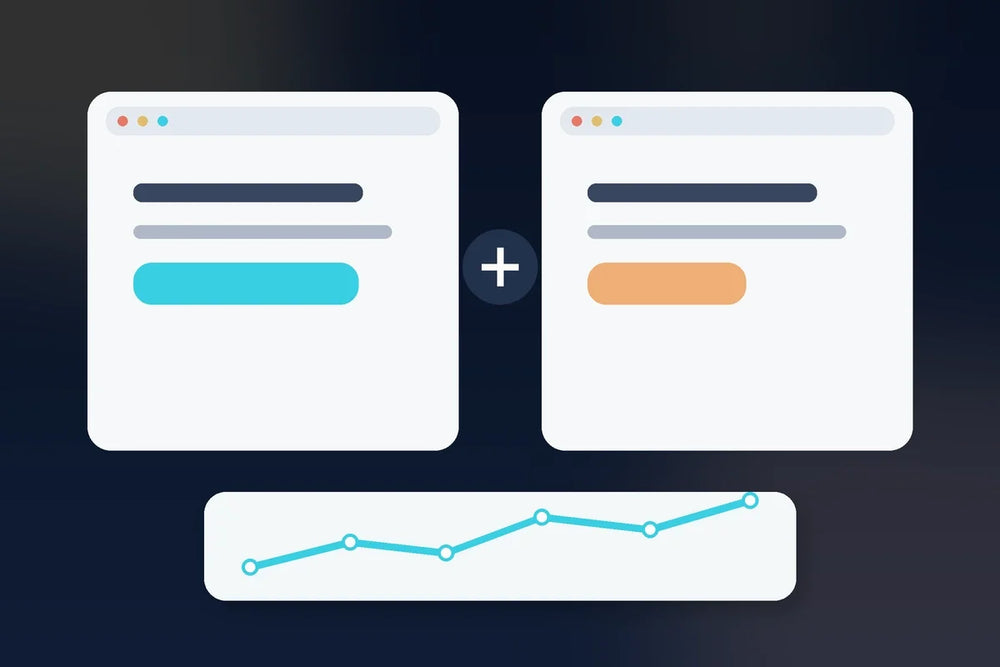
Do not stop at the first title you write. Draft five to ten versions with different angles:
- direct how-to,
- problem/solution,
- beginner guide,
- checklist,
- specific outcome.
Then choose the version that is both accurate and easy to understand.
A simple title quality check
Before publishing, ask:
- Can someone understand the topic without reading the article?
- Does the title match the searcher’s likely intent?
- Does the page deliver what the title promises?
- Is the wording natural?
- Did I avoid exaggerated claims?
- Would I still use this title if search engines did not exist?
If the answer is yes across the board, you probably have a title worth testing.
Clarity is not boring
The goal is not to remove personality. It is to make sure personality does not hide the subject.
A great blog title can be direct, human, specific, and interesting at the same time.
Make the promise clear. Make the promise true. Then let the article earn the click.