There is no single email schedule that fits every small business.
The useful question is not “How many emails should everybody send?” It is: What rhythm helps this audience while fitting the job our email program needs to do?
Start with why you are emailing
A weekly educational newsletter has a different rhythm from appointment reminders, a product launch, customer onboarding, a seasonal business, or a monthly professional update.
Define the job before you define the frequency.
Choose a baseline you can sustain
A predictable baseline can be easier for both the business and the subscriber.
For some businesses, that might be weekly. For others, every other week or monthly may be more realistic.
The goal is not to prove how frequently you can press send. The goal is to create a rhythm you can maintain with useful content.
Separate regular email from event-driven email
Your baseline newsletter is only one type of message.
You may also have:
- welcome emails
- purchase or onboarding emails
- launch sequences
- appointment reminders
- customer education
- re-engagement messages
These should be planned around customer context rather than forced into one universal calendar.
Watch for audience fatigue
More sending is not automatically more marketing.
If a higher frequency produces more unsubscribes, fewer useful clicks, lower-quality responses, or weaker engagement over time, investigate whether the messages are too repetitive, irrelevant, promotional, or simply too frequent for that audience.
Watch for the opposite problem too
If you disappear for months, subscribers may forget why they joined.
Then a sudden sales email can feel disconnected from the relationship.
A sustainable educational or useful rhythm can preserve continuity without filling the inbox just to stay visible.
Let content capacity influence the plan
If your business can produce one genuinely useful email each week, build around that. If weekly sending forces you into filler, choose a lighter schedule.
Cut scope before manufacturing content.
Reuse what the business already knows
Your newsletter does not need a brand-new research project every send.
Reuse:
- blog articles
- customer questions
- FAQ answers
- product lessons
- recent observations
- case examples you are allowed to share
- new resources
Use Small-Business Newsletter Ideas for a repeatable idea system.
Measure by the job
If the email exists to teach, useful clicks and replies may matter. If it exists to sell, the customer path after the click matters. If it exists to re-engage, renewed activity or a clean unsubscribe can both provide useful information.
See Email Marketing Metrics for Small Business.
A simple frequency decision
Ask these five questions:
- What job does email perform for us?
- What did subscribers reasonably expect when they joined?
- How much useful material can we sustain?
- Are there customer events that require additional messages?
- What does the response tell us after several sends?
Change one thing at a time
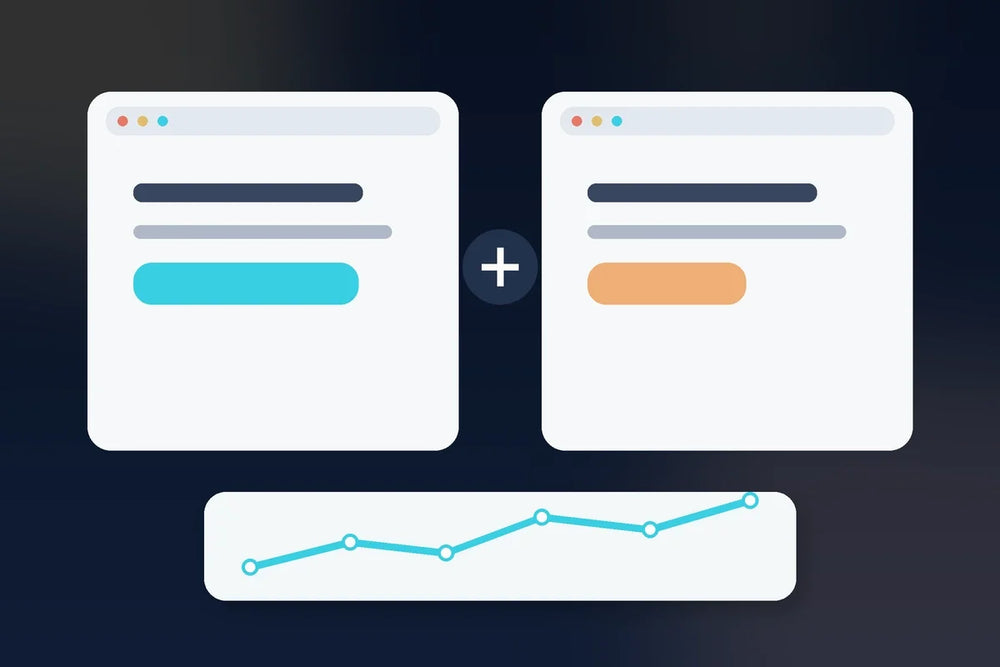
If you want to test frequency, avoid changing frequency, subject-line style, offer, design, audience, and CTA all at once.
Make a controlled change, observe what happens, and learn.
The useful answer
Send often enough to maintain a valuable relationship and rarely enough that every message still has a reason to exist.
Then improve the rhythm from evidence rather than copying somebody else’s calendar.
For the whole framework, return to Email Marketing for Small Business: A Beginner’s Guide.