Businesses love tools.
They love software. AI subscriptions. Design platforms. Scheduling apps. Social media tools. New systems. New dashboards. New shortcuts.
And all of those things can be useful.
But there is one mistake that can quietly starve a good business:
spending on everything around marketing while treating marketing itself like an afterthought.
Marketing is not just promotion
Marketing is not simply running ads or posting on social media.
It is the system that helps the right people understand:
- who you are
- what you do
- who you help
- what problem you solve
- why your solution matters
- why they should trust you
- what they should do next
If those answers are unclear, the rest of the business has to work much harder.
A great product can still be invisible
You can build an excellent product.
You can have a beautiful website.
You can subscribe to the smartest AI tools available.
You can create polished graphics.
You can spend hours improving the offer.
But if the right customer never discovers it, understands it, or sees why it matters, the quality of the product cannot do its job.
Marketing is the bridge between value and demand.
AI is a tool. Marketing is the system.
AI can help you research, organize, draft, analyze, repurpose, brainstorm, and create faster.
That can be incredibly valuable.
But buying more AI tools does not automatically create a marketing strategy.
AI still needs direction.
It needs to know the customer, the offer, the message, the objective, the evidence, the constraints, and the next step.
Without that context, faster creation can simply produce more disconnected work.
Social media is a channel. It is not the whole strategy.
Social media can be one of the most useful ways to earn attention, build trust, and stay visible.
But social media is one channel inside a larger marketing system.
A business still needs somewhere to send that attention.
That might be a website, blog article, free resource, email list, product page, booking page, checkout, or conversation.
If the path after attention is weak, more posting may simply create more traffic to a broken or unclear journey.
Marketing touches almost every revenue-producing part of the business
Marketing influences how a customer first hears about you, what they believe about your offer, whether they understand the value, whether they trust the business, whether they take action, and whether they return.
It connects:
DISCOVERY → MESSAGE → TRUST → OFFER → CONVERSION → FOLLOW-UP → RETENTION.
That is why marketing deserves to be treated as core business infrastructure rather than a leftover expense.
Do not confuse spending with marketing
You do not need a huge marketing budget to start.
Marketing can include:
- useful educational content
- search-friendly blog articles
- customer referrals
- partnerships
- community engagement
- clear product pages
- better calls to action
- consistent follow-up
- documenting what you are learning and building
The important part is not how expensive the tactic is.
The important part is whether it helps the right person move closer to a useful next step.
A business budget should not starve the thing that creates demand
It is easy to justify another tool because the purchase feels concrete.
You can see the software. You can click the dashboard. You can use the feature immediately.
Marketing often feels less tangible because the work is distributed across messaging, content, positioning, customer understanding, channels, conversion, and measurement.
But those are the activities that give the market a chance to notice what you built.
A business that spends on tools but never creates demand can end up very well equipped and very under-discovered.
Start with the customer before buying the next tool
Before adding another subscription, ask:
- Who is our priority customer right now?
- What problem are they trying to solve?
- What are we asking them to buy or do?
- Where are they likely to discover us?
- What do they need to believe before taking the next step?
- Where does our current customer journey break down?
- What existing assets can we use before creating more?
Those answers should shape the tools you buy—not the other way around.
Marketing should be measurable, not mystical
You do not need to know everything immediately.
You need to observe what happens.
Which content earns attention?
Which pages get clicks?
Which free resources people actually use?
Which offers create questions?
Where do people stop?
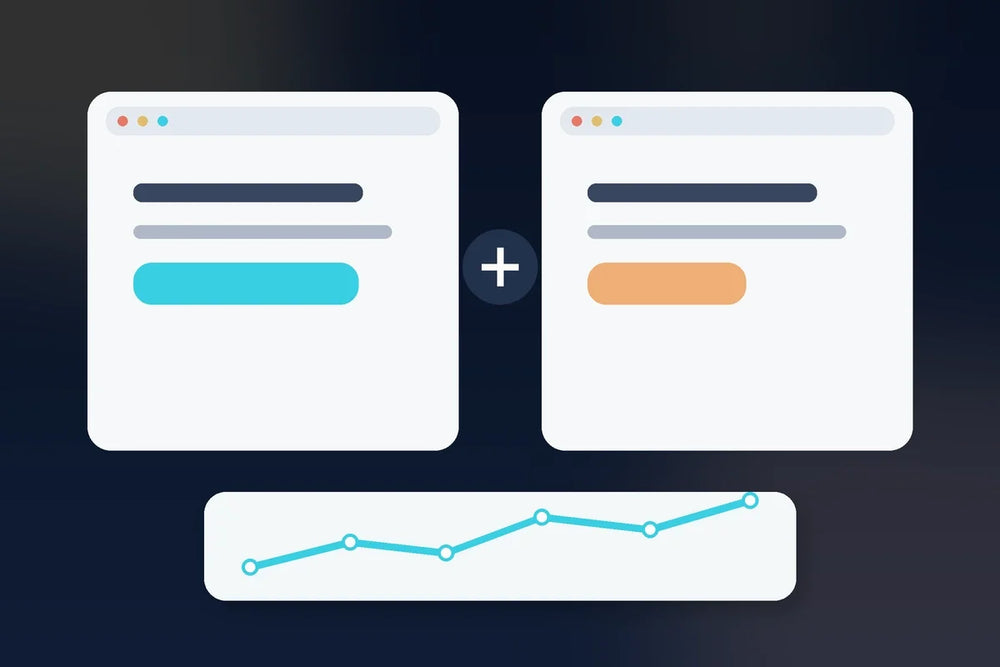
What happens when you change one part of the path?
Use a simple loop:
PLAN → EXECUTE → MEASURE → INTERPRET → TEST → LEARN.
Marketing is not the whole business—but it gives the whole business a chance to work
Operations matter. Product quality matters. Customer service matters. Cash flow matters. Leadership matters.
Marketing does not replace any of them.
But marketing is what connects the value you created to the people who may need it.
If nobody knows the business exists, the rest of the machine never gets the opportunity to prove itself.
Protect marketing like infrastructure
Do not wait until every other expense has been paid and then ask what is left for marketing.
Build marketing into the business model from the beginning.
That does not have to mean expensive ads.
It means consistently investing time, attention, and resources into customer understanding, messaging, discovery, trust, conversion, follow-up, and learning.
Do not spend all your money building tools around the business while starving the system that helps people find it.
Your business needs something worth buying.
Then it needs a clear, trustworthy way for the right people to discover why it matters.