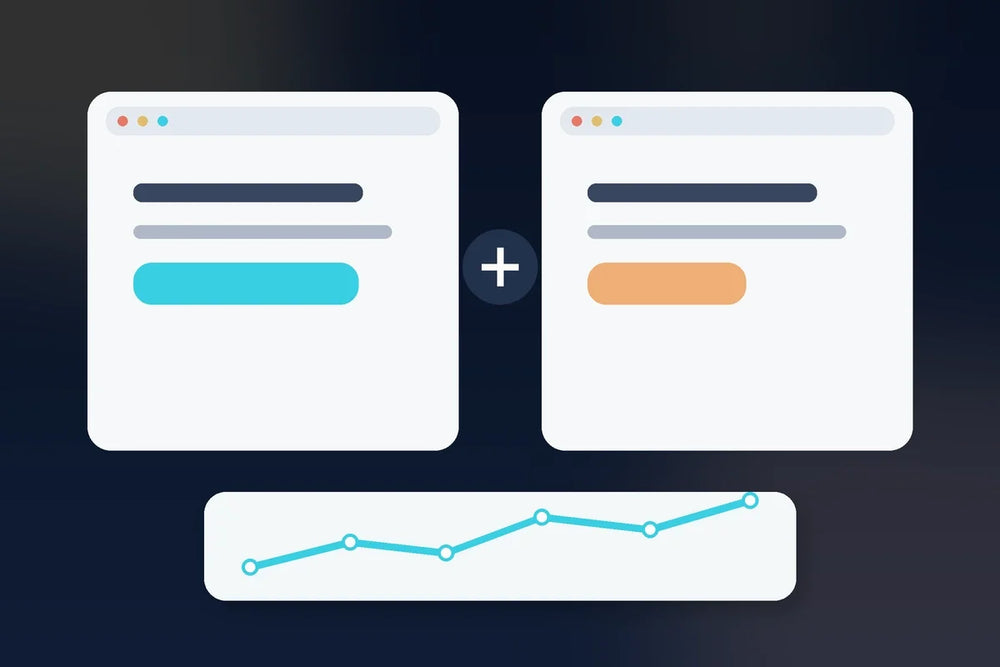
When SEO traffic stops growing, the worst response is often random activity: publish more posts, change every title, chase new keywords, redesign pages, and rewrite everything at once. That makes it harder to learn what actually needed fixing.
A better content refresh starts with diagnosis. Find the bottleneck, prioritize the pages that matter, make focused improvements, and measure the result.
First: define what “stalled” means
Is total organic traffic flat? Are impressions growing but clicks flat? Did one major page decline? Are rankings stable but leads weak? Did seasonality change? Different symptoms require different actions.
Choose a useful time period and compare like with like whenever possible.
Step 1: Separate visibility from conversion
SEO traffic can stall because fewer people see the pages, fewer people click them, or the pages attract visitors who do not take meaningful actions. Do not treat all three as the same problem.
- Low impressions: the site may need better topic coverage, stronger relevance, or more authority.
- Impressions but weak clicks: titles, snippets, positioning, or search intent may need attention.
- Traffic but weak business results: the offer, audience fit, next step, or conversion experience may be the bottleneck.
Step 2: Identify pages worth refreshing first
Do not start with the oldest article just because it is old. Prioritize pages that already have some evidence of opportunity: meaningful impressions, past traffic, valuable queries, strong business relevance, useful backlinks, or a clear connection to the customer journey.
Step 3: Re-check search intent
The search results may have changed since the article was written. A phrase that once returned broad guides may now favor tools, comparisons, local results, videos, or highly specific tutorials.
Update the page only when its format and promise can genuinely satisfy the current need.
Step 4: Improve the page itself
Run the article through a practical on-page SEO checklist. Look for outdated sections, unclear headings, weak examples, missing internal links, stale statistics, unnecessary filler, broken links, or a summary that no longer matches the article.
Step 5: Strengthen the topic around it
A single page may be isolated even if it is well written. Ask whether the site has enough useful supporting content around the topic.
A focused content hub can connect definitions, tutorials, checklists, comparisons, and problem-solving articles into a clearer topic structure.
Step 6: Merge pages that are fighting for the same job
If several weak articles target nearly identical intent, more content may not be the answer. Consolidating overlapping material can create one stronger resource and simplify internal linking.
Step 7: Improve internal links
Look for relevant pages that should point to the article and useful pages the article should point toward. Internal links help readers discover the next resource and reinforce the structure of the library.
Step 8: Refresh titles carefully
If impressions are healthy but clicks are consistently weak, the title may not communicate the page’s value clearly. Improve specificity and usefulness without turning to misleading clickbait.
Avoid changing titles every few days. Give changes enough time to produce useful evidence.
Step 9: Add what the reader actually needs
Useful refreshes often come from customer questions. Add a missing example, clearer process, checklist, decision rule, comparison, screenshot, template, or explanation when it genuinely strengthens the answer.
Step 10: Measure the update
Record what you changed and when. Then monitor the relevant signals: impressions, clicks, queries, engagement, leads, sign-ups, or sales. Without a record, it is easy to mistake normal fluctuation for proof that a change worked.
A simple refresh priority system
- High opportunity: valuable page + existing visibility + clear improvement available
- Medium opportunity: strategically useful page but weaker evidence or more work required
- Low opportunity: little relevance, no useful visibility, and no strong reason to invest more time
Know when not to refresh
Some content should be retired, redirected, merged, or left alone. Do not keep polishing a topic that has no connection to your audience simply because you already spent time on it.
Traffic is a signal, not the mission
The purpose of an SEO content strategy is not to make a graph move upward at any cost. It is to help the right people discover useful content that supports the business. When traffic stalls, return to that job: diagnose where the system is weak, improve the highest-value parts first, and learn from the response.